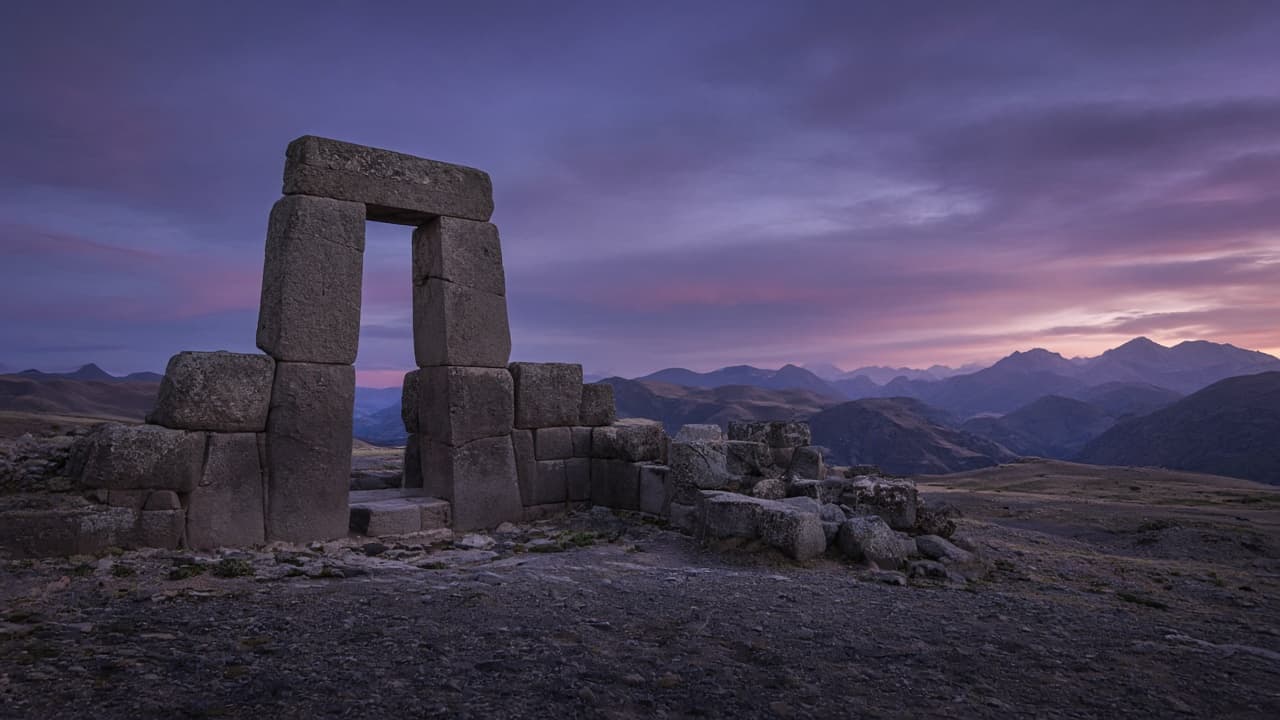
Stargates in the world: real sites behind the myth
From Bolivia’s stone gates to Turkey’s oldest megaliths, here is what travelers actually find when people say “stargate.”
When people search for stargates in the world, they usually mean one of two things. The first is the science-fiction ring from the Stargate films and television shows. The second is a set of real stone monuments that online videos call portals, energy gates, or doors to other worlds. This article sticks to the second group: places you can visit, what archaeologists say they are, and how the portal story grew around them.
Start with language. Ancient builders carved doorways, false doors, and freestanding gateways for religion, ceremony, and status. A carved opening that frames the sky will look like a portal in a photograph. That visual power is real. It does not prove the stone moved people across space. Separating the photograph from the claim keeps the trip honest.
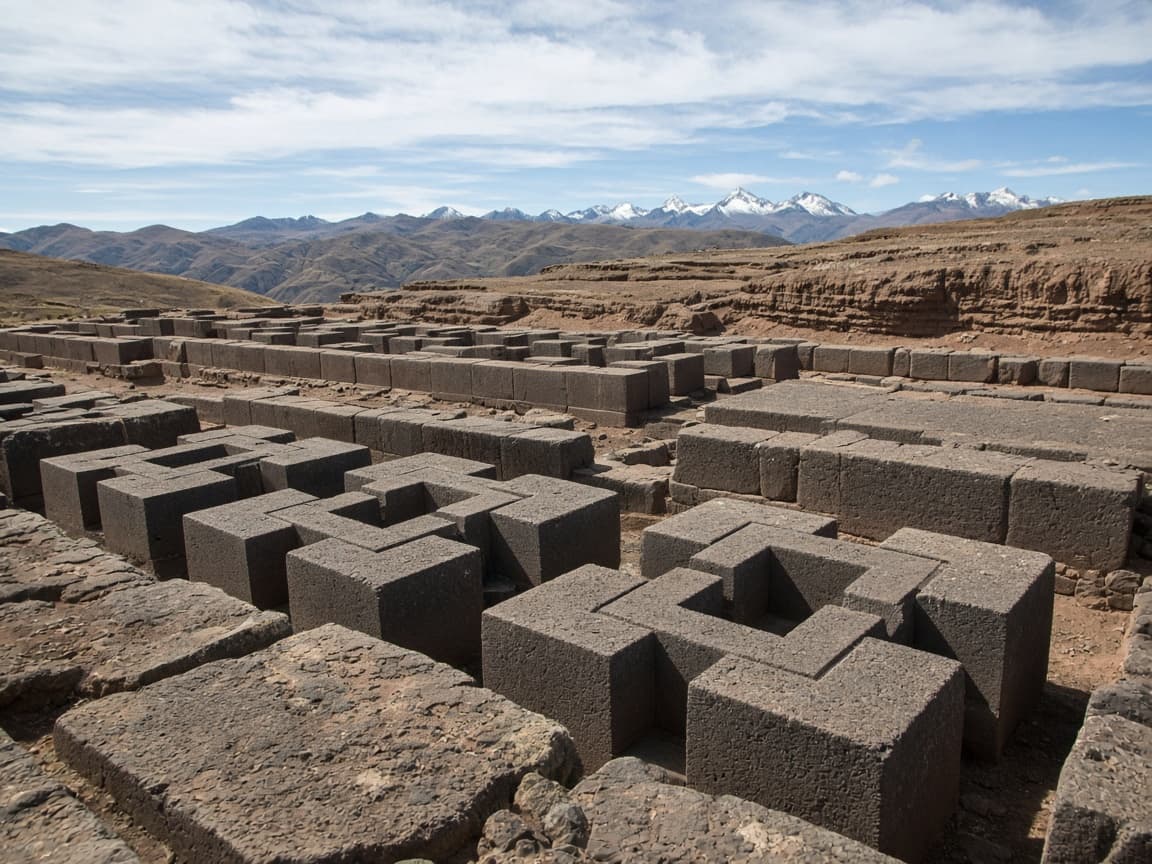
Tiwanaku and Puma Punku, near Lake Titicaca in Bolivia, sit near the center of most “stargate” lists. Tiwanaku was a major Andean center that flourished roughly between the sixth and tenth centuries CE. Puma Punku, often translated as Gate of the Puma, is a ruined platform complex with huge sandstone slabs and finely cut andesite blocks. Visitors come for the scale of the masonry and for the famous H-shaped blocks that fit with sharp interior angles.
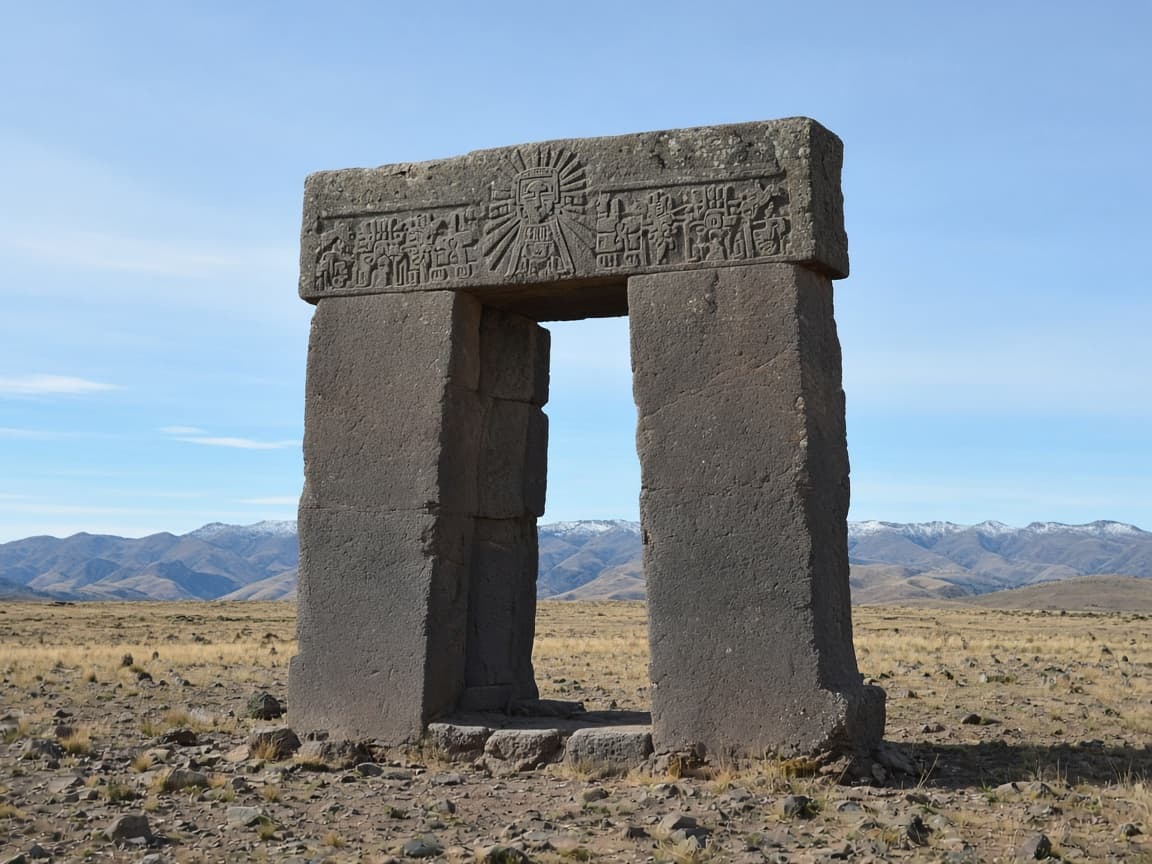
Nearby stands the Gate of the Sun, a single-block andesite doorway about three meters tall and four meters wide. Explorers found it cracked and lying down in the nineteenth century. It now stands near where it was rediscovered, though that may not be its original spot. Carvings on the gate are usually read as religious or calendrical imagery linked to the sun, not as a machine. Still, the silhouette of a solitary stone door against the high Altiplano sky is why the site keeps showing up in portal videos.
Fringe writers have pushed Tiwanaku back to the Ice Age and claimed tools that humans could not have used. Radiocarbon dates and ceramic sequences place the monumental phase much later. Experimental archaeology has also shown that hard stone can be worked with copper tools, abrasives, and long labor. The remaining puzzles are still serious: how the heaviest blocks were moved, and what each platform was for. Those open questions do not require a wormhole.
Göbekli Tepe, in southeastern Turkey, is another place that gets pulled into stargate talk. The site dates to the Pre-Pottery Neolithic, with circular compounds and T-shaped limestone pillars from roughly the tenth and ninth millennia BCE. The pillars are among the oldest known megaliths. Many carry reliefs of animals and human-like details. Archaeologists treat the enclosures as ceremonial architecture built by early communities, not as launch pads.
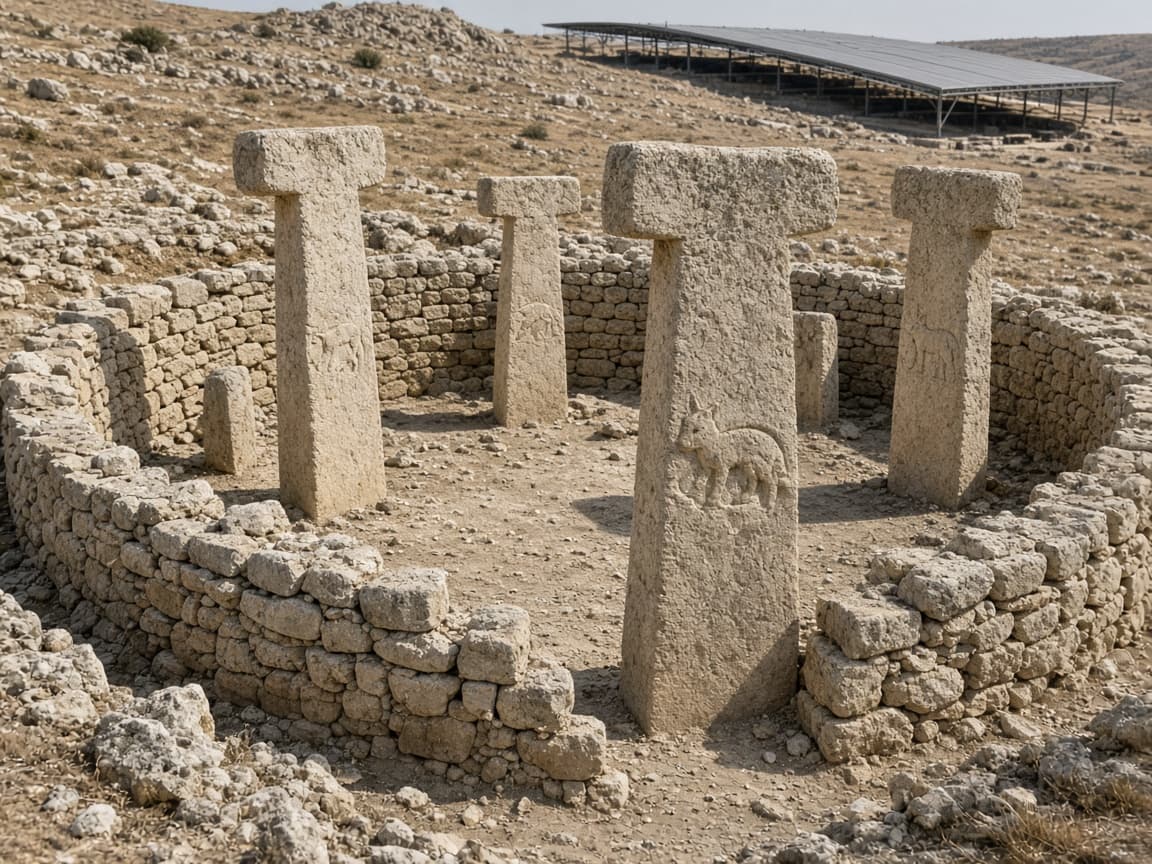
What Göbekli Tepe does offer travelers is a clear sense of deep time. The pillars rise from a limestone plateau that also holds quarries where unfinished monoliths still lie. Standing inside a reconstructed enclosure, the “gate” feeling comes from circular walls and paired central pillars that frame the open sky. Visit with a licensed guide when required, book timed entry in peak season, and treat the covers over the dig as protection for the stone, not scenery to climb.
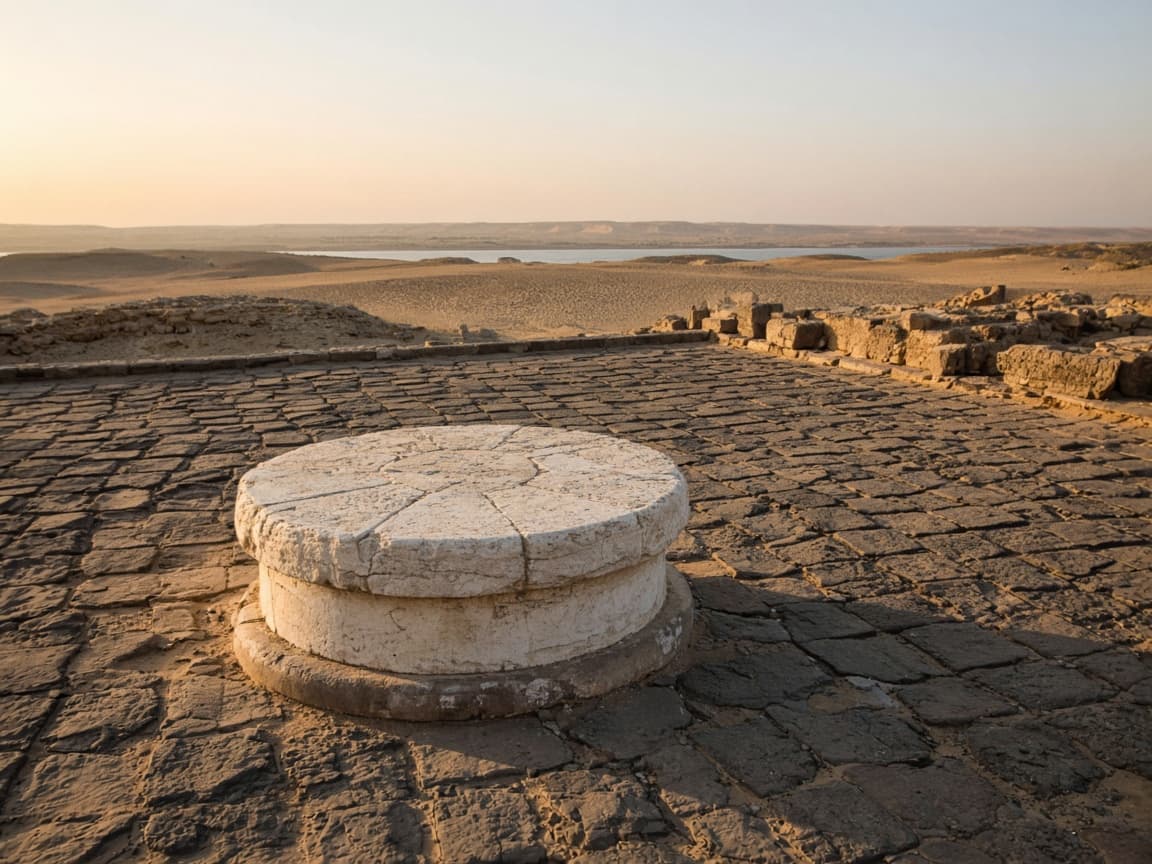
Abu Ghurab, south of Giza in Egypt, appears in some lists as an Egyptian stargate. Egyptologists identify it as a Fifth Dynasty sun temple complex dedicated to the solar cult of Ra, best known for the reign of Nyuserre. The open court, alabaster altar, and basins fit a temple of offerings and solar ritual. Precision cuts and drilled holes in hard stone fuel online debate about ancient technology. Mainstream research ties those marks to sawing and drilling with abrasive methods, not to a transport ring.
Other places join the same conversation for the same reason: a monumental threshold. Stonehenge’s trilithons, Egyptian false doors in tombs, and freestanding temple pylons all photograph like thresholds between worlds. Local traditions sometimes speak of creation, ancestors, or the sun’s path. Listen to those stories as culture. Then ask what excavation, dating, and conservation records show. A good travel day can hold both without confusing them.
If you want a short itinerary built around “stargate” sites people actually discuss, think in regions. Bolivia: Tiwanaku and Puma Punku as a day trip from La Paz, with altitude caution and an early start. Turkey: Göbekli Tepe from Şanlıurfa, plus related Neolithic sites in the region if you have a second day. Egypt: combine Abu Ghurab and Abusir with Giza only if your guide and tickets allow the desert road timing. Each stop rewards walking slowly around the blocks instead of racing for one viral angle.
Practical habits help at every site. Wear closed shoes on uneven stone. Carry water at altitude or in desert heat. Follow rope lines and keep off fragile surfaces. Ask whether photography fees or bans apply inside covered areas. Hire local guides who work with the site museum or park service. They can point out quarry marks, reconstruction, and which blocks are in original position.
The fiction franchise still shapes the word. Stargate gave millions of viewers a metal ring that dials other planets. That story is entertainment. Real monuments offer something quieter and harder: proof that early societies organized huge labor, carved sacred doorways, and watched the sky. Call them gates if you like. Visit them as archaeology first.
Eagle Frame’s takeaway is simple. The world’s so-called stargates are stone thresholds with documented histories, open research questions, and strong photos. Go for the craftsmanship and the landscape. Leave the wormhole claim at the ticket booth, and you will still have a trip worth remembering.